
r/IndianCountry serves as the internet’s most dynamic gathering space for Indigenous voices across Turtle Island and beyond, offering educators, researchers, and the general public direct access to contemporary Native perspectives on cultural preservation, political sovereignty, and daily life. With thousands of active members sharing stories, artwork, news, and lived experiences, this subreddit has become an essential resource for anyone seeking to understand modern Indigenous communities through authentic, unfiltered dialogue rather than curated institutional narratives.
The digital forum fills a critical gap in how non-Indigenous Canadians and Americans engage with First Nations, Métis, Inuit, and tribal communities. Traditional museums and cultural institutions (including our collaborators at the Lake of the Woods Museum and numerous heritage sites across Ontario) provide invaluable historical context, yet they often capture Indigenous culture through a retrospective lens. r/IndianCountry operates differently. Here, Indigenous people control the conversation, share breaking news affecting their communities, celebrate cultural practices, and educate willing learners about Indigenous ways of knowing that challenge Western academic frameworks.
The subreddit’s value extends far beyond casual browsing. Teachers developing curriculum on treaty rights find primary source materials and contemporary Indigenous analysis. Students researching land acknowledgments discover why certain phrases resonate or ring hollow. History enthusiasts gain insight into how Indigenous communities interpret the same events Canadian textbooks present from settler perspectives. The community discusses everything from language revitalization programs in northern Manitoba to water advisories still affecting reserves in 2026, from traditional ecological knowledge informing climate adaptation to Indigenous filmmakers reshaping Canadian cinema.
Understanding how to respectfully engage with r/IndianCountry requires recognizing it as Indigenous space first, educational resource second. The following guide explains the community’s purpose, cultural significance, and how newcomers can participate meaningfully while avoiding common missteps that undermine genuine cross-cultural learning.
Understanding r/indiancountry as a Digital Cultural Space
A Safe Space for Indigenous Dialogue
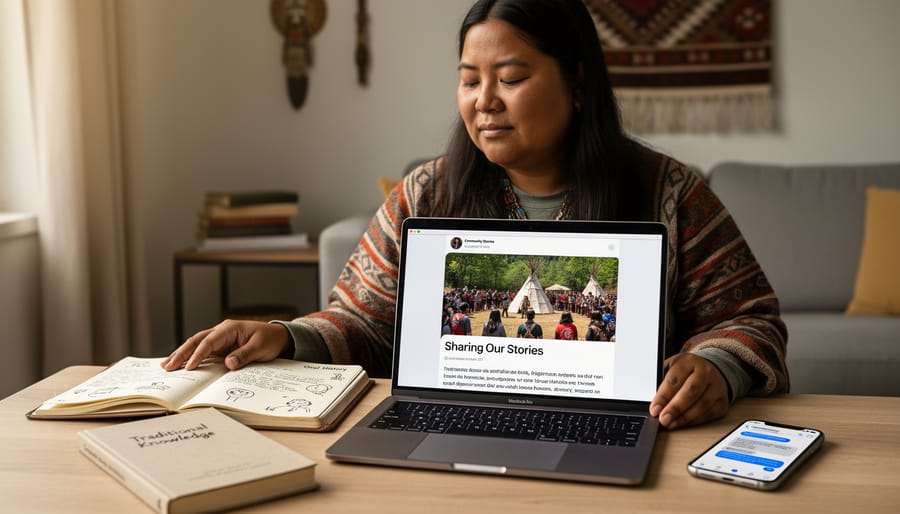
The subreddit operates under community-driven moderation that centres Indigenous perspectives while maintaining an atmosphere of cultural respect and mutual learning. Indigenous moderators and members shape the space through clear guidelines that prioritize Indigenous voices, particularly when discussing cultural protocols, lived experiences, and community-specific matters. This approach creates room for honest conversations about complex issues, from navigating urban Indigenous identity to processing intergenerational trauma, without the constant burden of explaining or defending basic cultural realities.
Non-Indigenous participants are welcomed when they approach the space with genuine curiosity and humility. The community expects visitors to listen more than they speak, especially on cultural matters, and to recognize when a conversation centres Indigenous experiences rather than outside perspectives. Members frequently redirect well-intentioned but misguided comments, gently correcting assumptions while appreciating sincere efforts to learn. This educational labour happens organically, though the community makes clear it is not obligated to serve as a 101 course for every newcomer.
Reddit norm enforcement in Indigenous-focused communities differs from broader Reddit culture. Moderators actively remove comments that perpetuate harmful stereotypes, question Indigenous identity, or centre colonial narratives. This protective framework allows members to share cultural knowledge, celebrate achievements, and process collective grief without the defensive posture required in many mainstream spaces. The result is a digital gathering place where Indigenous peoples can simply be, connect across vast distances, and support one another through both everyday struggles and profound cultural moments.
Canadian Indigenous Representation
The pan-Indigenous nature of r/indiancountry creates a unique space where Canada’s three distinct Indigenous groups, First Nations, Métis, Inuit connect with Indigenous peoples across Turtle Island. Canadian members bring perspectives shaped by specific colonial histories, treaty relationships, and ongoing struggles with federal and provincial policies that differ markedly from those in the United States. Posts about Bill C-15, the Indian Act, and the Truth and Reconciliation Commission’s Calls to Action reflect distinctly Canadian legal and political contexts.
The subreddit bridges geographic distances that often isolate Canadian Indigenous communities. An Inuk person in Nunavut can share experiences with a Mohawk from Ontario and a Métis individual from Saskatchewan, building solidarity across thousands of kilometers. This proves particularly valuable for members from remote northern communities where internet access, though challenging, provides crucial connections to broader Indigenous conversations.
Canadian users contribute knowledge about specific cultural protocols, traditional territories, and language revitalization programs like those supported by the Aboriginal Languages Initiative. They share resources about navigating Indian Status, Métis Nation citizenship, and Inuit land claims, administrative realities foreign to American Indigenous peoples but central to Canadian Indigenous identity. The community thus becomes a place where Canadian-specific issues gain visibility within a larger pan-Indigenous framework while members learn from parallel struggles and triumphs across the border.
Cultural Preservation in the Digital Age
Oral Traditions Meet Digital Platforms
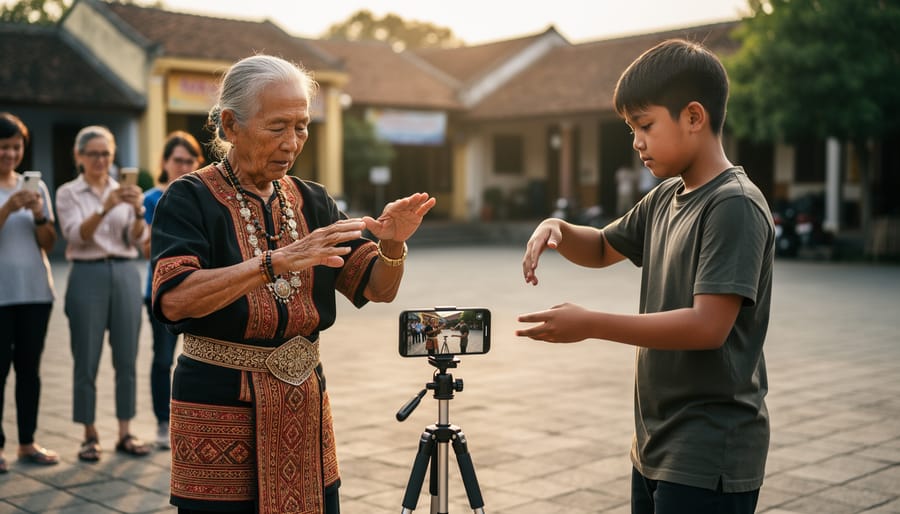
Storytelling remains the foundation of Indigenous knowledge systems, carrying teachings, histories, and laws across generations. On r/indiancountry, this ancient practice finds new expression through text posts, image shares, and comment threads that maintain the relational, contextual nature of traditional oral transmission.
Community members share creation stories, family histories, and lived experiences using digital tools that mirror oral storytelling’s intimacy and immediacy. A grandmother in northern Manitoba might post about teaching her grandson to ice fish, embedding seasonal knowledge and Cree vocabulary within the narrative. Others respond with their own stories, creating the call-and-response pattern fundamental to many Indigenous storytelling traditions. These exchanges preserve the communal aspect of oral knowledge, stories aren’t just told, they’re witnessed and affirmed by the community.
The platform accommodates multiple forms of cultural transmission. Elders post audio recordings that preserve vocal nuances and language patterns text cannot capture. Young people share infographics explaining treaty rights or traditional ecological knowledge, adapting ancestral wisdom to formats their generation consumes readily. Photography and video document ceremonies, artwork, and land-based practices, creating visual records that complement spoken teachings.
Crucially, the community enforces protocols around sacred knowledge. Moderators and members collectively determine what should remain private, mirroring the discernment elders exercise about which teachings suit which listeners. This conscious boundary-setting demonstrates that digital platforms can uphold the same cultural perspectives and respect that govern face-to-face knowledge sharing, ensuring authenticity survives technological adaptation.
Contemporary Issues Through Indigenous Lenses
The r/indiancountry community serves as a rapid-response forum where Indigenous peoples analyze and contextualize events that mainstream media often misreport or ignore. When pipeline projects threaten unceded territories, when provincial governments propose legislation affecting treaty rights, or when cultural appropriation surfaces in popular culture, community members break down the complexities with lived experience and historical context that outsiders frequently lack.
Members share news articles, government announcements, and policy changes, then dissect them through discussions that connect contemporary issues to centuries of broken promises and ongoing resistance. A post about water advisories in First Nations communities, for instance, might trace the problem back through decades of underfunding, explain the specific treaty obligations being violated, and link to grassroots organizations working on solutions. This multi-layered analysis transforms isolated news items into coherent narratives of systemic patterns.
The community also tackles legislation directly affecting Indigenous sovereignty. Members discuss Bill C-15 implementing the United Nations Declaration on the Rights of Indigenous Peoples, debate the implications of provincial jurisdiction over child welfare, and analyze court rulings on Aboriginal title. These conversations aren’t abstract legal theory, they’re personal, urgent examinations of how laws shape daily life, access to traditional territories, and the survival of cultural practices.
Environmental justice emerges as a constant thread. Posts about climate change connect to traditional ecological knowledge, discussions of resource extraction reference specific treaty violations, and members share strategies for protecting sacred sites. The community recognizes that Indigenous rights and environmental protection are inseparable, making these conversations both political and profoundly cultural.
Key Themes and Conversations in r/indiancountry
Language Revitalization Efforts
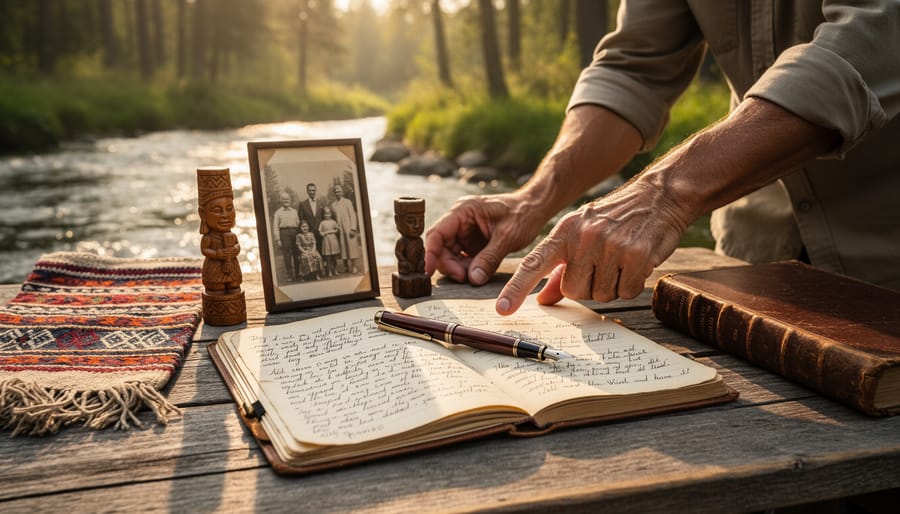
Within r/indiancountry, language revitalization stands as one of the community’s most passionate and collaborative efforts. Members regularly post about their progress learning ancestral languages, whether they’re tackling Cree syllabics for the first time or working through Anishinaabemowin verb conjugations. These aren’t just announcements, they’re celebrations that prompt others to share their own journeys and resources.
The community functions as a practical resource exchange. Users direct each other to online dictionaries, mobile apps, and free courses specific to various Indigenous languages. When someone asks about learning Inuktitut or Mi’kmaq, responses often include links to university programs, community classes, and elder-led initiatives. Crucially, members emphasize the importance of learning from fluent speakers and respecting protocols around sacred or restricted knowledge.
What makes these discussions particularly valuable is the honest sharing of challenges. Community members acknowledge the trauma that severed language transmission, discuss the emotional weight of reclaiming what was deliberately suppressed, and offer encouragement to those who feel discouraged. Parents post about raising bilingual children, elders share their teaching experiences, and young learners celebrate small victories like successfully ordering coffee in their language.
This collective support creates accountability and momentum, turning individual learning into community revival.
Cultural Practices and Traditional Knowledge
Community members share detailed accounts of participating in powwows, pipe ceremonies, and seasonal gatherings that anchor Indigenous identity across generations. These discussions reveal how traditional practices adapt to modern life without losing their spiritual and cultural essence. A Cree member might describe learning to tan hides from an Elder while living in Winnipeg, while an Inuit contributor shares how their family maintains traditional throat singing despite geographic separation.
The subreddit becomes a practical resource for cultural continuity. Members exchange knowledge about harvesting medicines, preparing traditional foods like bannock and pemmican, and practicing beadwork or birchbark biting. Young people ask questions about protocol, how to approach Elders for teachings, when certain ceremonies should occur, or what offerings are appropriate. Experienced community members respond with patience, often emphasizing that protocols vary between nations and the importance of learning from one’s own community.
Discussions frequently address the tension between preserving sacred knowledge and sharing publicly. Members distinguish between teachings meant for broad cultural education and ceremonial knowledge that requires proper context and initiation. This digital space thus mirrors the careful transmission of knowledge that has sustained Indigenous cultures for millennia, adapted thoughtfully for contemporary challenges and opportunities.
Historical Truth and Reconciliation
Within r/indiancountry, conversations about residential schools and historical trauma unfold with raw honesty that textbooks rarely capture. Community members share family stories of survivors, discuss intergenerational impacts, and challenge sanitized versions of history still taught in some classrooms. These threads often correct misconceptions about what reconciliation actually means, emphasizing that it’s not simply acknowledgment, but active restitution and systemic change.
Canadian members frequently post about Truth and Reconciliation Commission calls to action, tracking which remain unfulfilled years after the final report. Discussions examine unmarked graves at former residential school sites, Missing and Murdered Indigenous Women and Girls, and ongoing child welfare disparities. The community doesn’t shy from difficult truths: that reconciliation requires non-Indigenous Canadians to confront uncomfortable histories and support Indigenous sovereignty.
What makes these conversations valuable is their grounding in lived experience rather than academic distance. Members connect historical policies to present-day inequities, showing how Indigenous worldviews offer pathways forward that honour both memory and resilience. For educators and museum professionals, these discussions reveal what genuine reconciliation education looks like when Indigenous peoples lead the narrative.
Educational Value for Museums and Historical Institutions
Bridging Community Knowledge and Institutional Practice
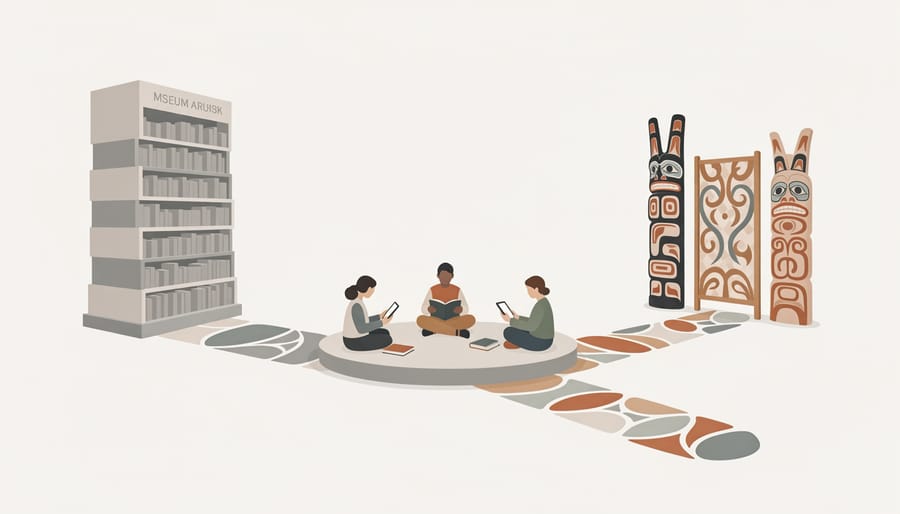
Museums and archives traditionally operated as gatekeepers of knowledge, collecting and interpreting Indigenous materials through external lenses. Digital communities like r/indiancountry challenge this model by demonstrating how Indigenous peoples actively curate, contextualize, and share their own histories. Institutions paying attention can learn essential lessons about authentic representation.
The subreddit reveals what matters to contemporary Indigenous communities: not just artifacts behind glass, but living connections to land, language, and ongoing cultural practices. When members discuss traditional harvesting methods or share family stories, they’re modeling the kind of contextualization that transforms static museum displays into meaningful narratives. Archives of Manitoba and similar institutions have increasingly recognized that consultation isn’t a checkbox, it’s an ongoing relationship requiring genuine dialogue.
Community-driven platforms also highlight gaps in institutional collections. Conversations about missing perspectives, misattributed objects, or incomplete historical records provide actionable feedback. Several Canadian museums now employ Indigenous curators and advisory councils, partly inspired by understanding how communities prefer to share and protect certain knowledge.
The principle is straightforward: institutions should observe, listen, and adapt rather than simply extracting content from these spaces. When the Musée du Montréal redesigned its First Peoples Hall, extensive community consultation mirrored the collaborative spirit evident in digital forums. This approach acknowledges that Indigenous communities are experts on their own histories, and meaningful representation requires their active involvement at every stage, from acquisition decisions to exhibit design.
Resources for Educators and Researchers
For educators and researchers working in Indigenous studies, r/indiancountry offers supplementary perspectives that complement formal academic resources and archival materials. The community provides real-time insights into how Indigenous peoples interpret their own histories, challenge mainstream narratives, and articulate contemporary concerns, perspectives often absent from textbooks written decades ago.
Teachers can observe how community members discuss historical events from Indigenous viewpoints, noting which aspects they emphasize and how they connect past injustices to present realities. Researchers gain access to grassroots conversations about cultural practices, language reclamation efforts, and community responses to legislation, information that enriches formal studies with lived experience.
However, this resource demands careful protocols. Never screenshot or quote identifiable community members without permission, as many share personal or sensitive cultural information assuming a degree of privacy. Treat discussions as you would oral histories: valuable for context and understanding, but requiring consent for direct citation. Recognize that not all knowledge shared is meant for academic extraction, some conversations serve community healing and connection rather than outside observation.
When incorporating insights from r/indiancountry into teaching or research, credit the community generally rather than mining individual posts. Use what you learn to ask better questions, challenge your assumptions, and direct students toward Indigenous-authored scholarship. The subreddit works best as a starting point that leads you toward proper academic sources and direct community partnerships.
Engaging Respectfully with Indigenous Digital Spaces
Approaching Indigenous digital spaces like r/indiancountry requires thoughtful consideration and genuine respect. Non-Indigenous visitors have valuable opportunities to learn, but successful engagement depends on understanding that you’re entering a community space, not simply consuming content.
Before participating, take time to understand What are cultural perspectives and how Indigenous ways of knowing differ from Western frameworks. This foundational knowledge shapes how you interpret discussions and recognize when topics require particular sensitivity.
When engaging with r/indiancountry and similar Indigenous-centered communities, follow these essential guidelines:
- Listen first. Spend substantial time reading posts and comments before contributing. Observe community norms, recurring themes, and how members interact with each other and with non-Indigenous participants.
- Recognize your position. If you’re non-Indigenous, acknowledge this when relevant to your comment. Don’t claim expertise you don’t possess or speak over Indigenous voices sharing lived experiences.
- Ask questions appropriately. The community welcomes genuine curiosity, but avoid treating members as your personal encyclopedia. Search past discussions first, and frame questions respectfully rather than demanding explanations or justifications.
- Respect boundaries around sacred knowledge. Some cultural information isn’t meant for public sharing or non-Indigenous audiences. If someone indicates a topic is private or ceremonial, accept that without pressing for details.
- Support without centering yourself. When offering solidarity or support, keep the focus on Indigenous voices and experiences rather than your own feelings, intentions, or learning journey.
Educators and researchers should cite community insights appropriately while protecting individual privacy. Don’t screenshot or republish personal stories without explicit permission, even in academic contexts.
Remember that emotional labour isn’t owed to you. Indigenous community members may choose not to engage with every question or may respond with frustration when addressing repeated misconceptions. This reaction reflects centuries of being misrepresented and having their knowledge extracted without reciprocity.
Supporting Indigenous digital communities extends beyond reading. Amplify Indigenous voices by sharing their content (with credit), challenge misinformation when you encounter it elsewhere, and contribute to fundraisers or causes the community highlights. Authentic allyship involves ongoing action, not occasional observation.
The preservation of Indigenous Cultural Perspectives requires both the careful stewardship of traditional institutions and the dynamic energy of digital communities. Lakes & Woods, through collaboration with the Archives of Manitoba and other historical repositories, works to ensure that Indigenous histories are documented, protected, and shared with accuracy and respect. These physical institutions house irreplaceable artifacts, documents, and records that form the foundation of our collective understanding.
Yet spaces like r/indiancountry demonstrate that cultural preservation is not solely the domain of museums and archives. Digital communities provide something equally vital: living conversations, contemporary perspectives, and direct access to Indigenous voices navigating today’s challenges while honouring ancestral wisdom. Together, these approaches create a fuller picture of Indigenous experience across time.
For those committed to understanding Canadian history authentically, engagement must extend beyond occasional museum visits. It means listening to Indigenous peoples in their own spaces, supporting language revitalization initiatives, and recognizing that cultural preservation is an ongoing process rather than a static display. The stories shared in digital forums complement the artifacts held in archives, creating connections between past and present.
As we continue exploring Canada’s diverse histories at Lakes & Woods, we invite you to deepen your engagement. Subscribe to our newsletter for updates on Indigenous history topics, collaborative projects with cultural institutions, and opportunities to learn from Indigenous perspectives. Explore our archive of articles highlighting the contributions of First Nations, Métis, and Inuit peoples to Canadian heritage.
Cultural preservation thrives when multiple voices, platforms, and institutions work toward shared understanding. Whether through traditional archives or digital gathering spaces, every act of respectful engagement honours the resilience and richness of Indigenous cultures.