

Consult your local heritage authority before listing to understand designation restrictions, required approvals, and whether you can legally sell a house in bad condition without mandatory restorations. Heritage designations vary dramatically across provinces—British Columbia’s Heritage Conservation Act differs substantially from Quebec’s Cultural Heritage Act—and municipal bylaws in cities like Halifax, Montreal, and Victoria impose additional layers of oversight that directly impact your selling timeline and buyer pool.
Document your home’s historical significance through archival photographs, original blueprints, and statements of heritage value before marketing, as these materials transform potential buyers from intimidated to inspired. Collaborate with organizations like Heritage Canada Foundation or provincial counterparts such as the Ontario Heritage Trust to access resources that help you articulate your property’s story, connecting prospective buyers to the legacy they’re acquiring rather than the repairs they’re inheriting.
Price strategically by obtaining appraisals from agents experienced with heritage properties who understand that character features offset renovation costs in buyers’ calculations. The as-is approach attracts restoration specialists, heritage-focused developers, and passionate preservationists who see potential where conventional buyers see problems—your Victorian gingerbread trim or Edwardian leaded glass represents irreplaceable craftsmanship that commands premium value despite deferred maintenance.
Identify buyers through specialized marketing channels including heritage society newsletters, architectural salvage communities, and partnerships with institutions like local museums or historical associations seeking satellite properties. This targeted approach reaches individuals who view your sale not as a real estate transaction but as stewardship transfer—people who recognize that preserving Canada’s built heritage requires practical solutions that honor both historical integrity and homeowners’ current realities.
Understanding Heritage Homes in the Canadian Context
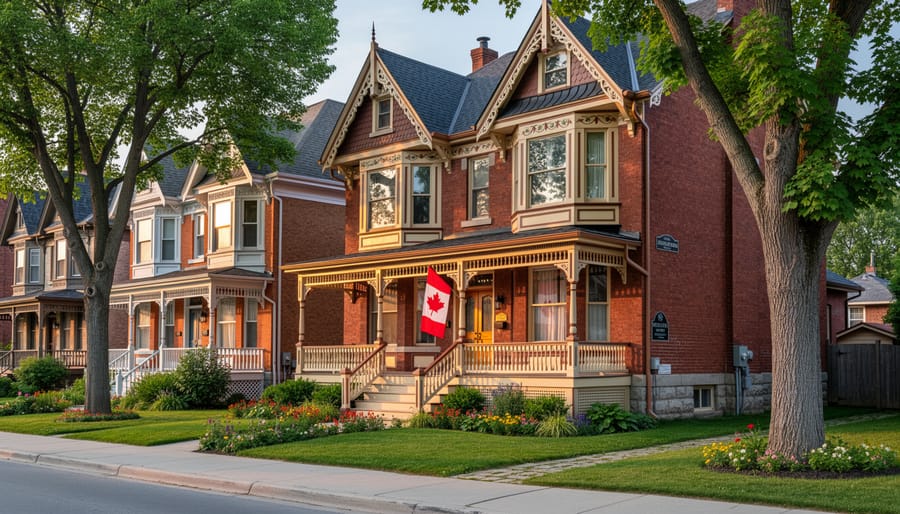
Provincial Heritage Designations and What They Mean
Understanding heritage designations across Canada requires navigating three distinct levels of recognition, each carrying different implications for property owners looking to sell.
Municipal heritage designations represent the most common form of protection you’ll encounter. Local governments across provinces designate properties under provincial heritage acts, creating bylaws that regulate exterior alterations and demolition. When selling a municipally designated property, owners must disclose this status to potential buyers, as it affects renovation permissions and may require approval from local heritage committees for future changes. These designations often provide tax incentives or grant opportunities that can enhance property value for the right buyer.
Provincial designations elevate a property’s significance to regional importance. In Ontario, properties designated under the Ontario Heritage Act receive stronger protections, while British Columbia’s Heritage Conservation Act provides similar frameworks. These designations typically involve stricter oversight and may require provincial approval for major alterations. Working with heritage consultants during the sales process helps both sellers and buyers understand ongoing obligations.
Federal heritage designations, administered through Parks Canada and the Historic Sites and Monuments Board, recognize properties of national significance. While federal designation doesn’t automatically impose legal restrictions on private property, it signals exceptional historical value that resonates with preservation-minded buyers.
Each designation level creates unique opportunities when selling as-is. Properties with clear documentation of their heritage status, maintenance records, and any available restoration grants often attract dedicated buyers who appreciate Canada’s architectural legacy. Collaborating with local historical societies and heritage organizations during the sale can connect you with purchasers who value preservation as deeply as you do.
Canada’s Architectural Heritage Worth Preserving
Canada’s built heritage tells the story of our nation through remarkable architectural diversity. From the steep-roofed saltbox homes weathering Atlantic storms in the Maritimes to the solid Prairie four-squares standing sentinel across the grasslands, each regional style reflects the ingenuity of settlers adapting to climate, available materials, and cultural traditions. In Ontario’s Kenora region, heritage preservation efforts have protected structures that embody our multicultural identity, while Quebec’s distinctive features like Montreal’s colourful row houses and external staircases showcase French-Canadian craftsmanship.
British Columbia’s West Coast modernism, characterized by post-and-beam construction that harmonizes with natural landscapes, represents mid-century innovation. These buildings connect us to the craftspeople, architects, and communities who shaped our towns and cities. Beyond aesthetics, iconic Canadian architecture serves as tangible links to pivotal moments in our collective memory—from confederation-era public buildings to structures reflecting immigration waves that enriched our cultural fabric. Preserving these homes means safeguarding the physical evidence of who we are as Canadians.
The Unique Challenges of Selling Heritage Properties
Regulatory Restrictions and Approval Processes
Selling a heritage home in Canada involves navigating a complex web of regulatory requirements that can significantly impact your timeline and selling strategy. When your property carries heritage designation—whether municipal, provincial, or federal—you enter a world where preservation obligations meet real estate practicalities.
Heritage committees across Canada hold considerable authority over designated properties. Before listing your home as-is, you’ll likely need to secure a Heritage Alteration Permit for any changes, even minor ones. These committees, staffed by preservation experts and community representatives, evaluate proposed modifications against conservation standards established by organizations like Parks Canada and provincial heritage agencies. The approval process typically takes several months, involving detailed documentation of your property’s historical features and architectural significance.
Provincial regulations vary considerably. In Ontario, the Ontario Heritage Act grants municipalities extensive powers to prevent demolition or inappropriate alterations. British Columbia’s Heritage Conservation Act follows similar principles, while Quebec’s Loi sur le patrimoine culturel reflects the province’s distinct cultural preservation priorities. Each jurisdiction maintains specific procedures that sellers must follow.
This regulatory landscape often complicates traditional sales, where buyers expect flexibility for renovations. Many potential purchasers withdraw when they discover restrictions limiting kitchen modernizations, window replacements, or exterior colour changes. Selling as-is can actually streamline this process by transferring these regulatory responsibilities to buyers who specifically seek heritage properties and understand the commitment involved. However, transparency remains essential—disclosing all heritage restrictions and pending permit requirements protects both parties and honours your role as temporary custodian of Canada’s architectural legacy.
The Financial Reality of Heritage Home Ownership
Owning a heritage home represents a unique intersection of privilege and responsibility, where the romance of preserving Canadian history meets the sobering reality of specialized costs. Unlike conventional properties, these architectural treasures demand materials and expertise that simply aren’t available at your local hardware store. Homeowners often discover that replacing a single heritage window can cost five to ten times more than a modern equivalent, while sourcing period-appropriate lime mortar, hand-forged hardware, or century-old timber dimensions requires connections with specialty suppliers across the country.
The financial burden extends beyond materials. Heritage homes typically require craftspeople trained in traditional techniques—stone masons who understand 19th-century construction methods, or carpenters skilled in timber frame restoration. These experts are increasingly rare, commanding premium rates that reflect their specialized knowledge. Add to this the requirements of heritage designation bylaws, which may mandate specific restoration approaches and materials, and even routine maintenance becomes a significant investment.
Many heritage homeowners find themselves caught between their commitment to preservation and their financial capacity to maintain these properties to appropriate standards. This economic reality, combined with aging infrastructure issues common in older structures, often prompts the difficult decision to pursue an as-is sale. Understanding this context helps frame such sales not as abandonment, but as recognition that preservation sometimes requires passing stewardship to those with greater resources or institutional support.
What ‘As-Is’ Really Means for Heritage Properties
Legal Obligations Even in As-Is Transactions
Selling a heritage home as-is doesn’t exempt you from fundamental legal obligations that protect both buyers and Canada’s cultural legacy. Provincial heritage laws mandate specific disclosure requirements that transcend standard real estate transactions. You must inform prospective buyers of the property’s heritage designation status, including whether it’s municipally, provincially, or federally recognized. This designation transfers with the property deed, binding future owners to preservation standards established by local heritage conservation boards.
Material defect disclosure remains obligatory even in as-is sales. While you’re not required to repair issues, concealing known structural problems affecting the building’s historical integrity constitutes misrepresentation. Courts across Canadian provinces have consistently ruled that as-is clauses don’t shield sellers from fraudulent non-disclosure, particularly regarding foundation concerns, hazardous materials like asbestos often found in period construction, or concealed alterations that violate heritage guidelines.
Consider partnering with provincial heritage organizations during the sale process. Museums and historical societies, such as Heritage Canada Foundation or regional conservation trusts, sometimes maintain registries of heritage properties and can verify compliance documentation. These collaborations demonstrate good faith while connecting your home’s story with institutions dedicated to preservation.
Legal counsel specializing in heritage property transactions proves invaluable. They navigate the intersection of real estate law and heritage legislation, ensuring your sale protects both parties while honoring your home’s significance in Canada’s architectural narrative.
How As-Is Differs for Designated vs. Non-Designated Historic Homes
Understanding the distinction between officially designated heritage properties and simply older homes is crucial when contemplating an as-is sale. Designated heritage homes carry formal legal protections through municipal, provincial, or federal programs, meaning alterations require approval from heritage committees or local authorities. This designation travels with the property deed, obligating future owners to maintain certain architectural features and historical integrity. Selling these homes as-is presents unique considerations, as buyers inherit both the prestige and preservation responsibilities.
Conversely, non-designated older homes may possess historical character without legal constraints. Owners of these properties enjoy greater flexibility in modifications and sales terms. While they might collaborate with heritage organizations like Heritage Canada or local historical societies to document their home’s story, they face no mandatory preservation requirements. The as-is approach for non-designated homes typically focuses on condition disclosure rather than heritage compliance, though emphasizing historical significance can attract preservation-minded buyers who appreciate authentic period features. Understanding your property’s official status shapes both your selling strategy and your potential buyer pool.
Finding the Right Buyer: Heritage Enthusiasts and Preservationists
Restoration Experts Who See Potential
When you list your heritage property as-is, you’re opening the door to a specialized community of buyers who see unrenovated homes not as burdens, but as opportunities. These restoration experts actively seek properties that haven’t been modernized, valuing original features that others might overlook.
Heritage contractors represent a significant buyer segment across Canada. These skilled professionals have built careers restoring Victorian-era homes in Halifax, Prairie farmsteads in Saskatchewan, and Edwardian mansions in Vancouver. They possess both the technical expertise and the supplier networks to source period-appropriate materials, from heritage bricks to vintage hardware. For them, purchasing an unrenovated property means acquiring authentic architectural elements that would be costly or impossible to replicate.
Provincial and local historical societies also emerge as potential buyers, particularly for properties with documented significance. Organizations like Heritage Toronto or the Heritage Society of British Columbia occasionally acquire threatened buildings to preserve them as community landmarks or educational resources. These institutions value authenticity over perfection and often have access to heritage grants unavailable to individual buyers.
Perhaps most passionate are individual restorers—Canadians who have dedicated themselves to preserving architectural history. These buyers understand that an as-is sale protects the home’s integrity, allowing them to undertake careful, research-based restoration rather than working around previous renovations. They’re investing not just in property, but in safeguarding Canada’s built heritage for future generations.
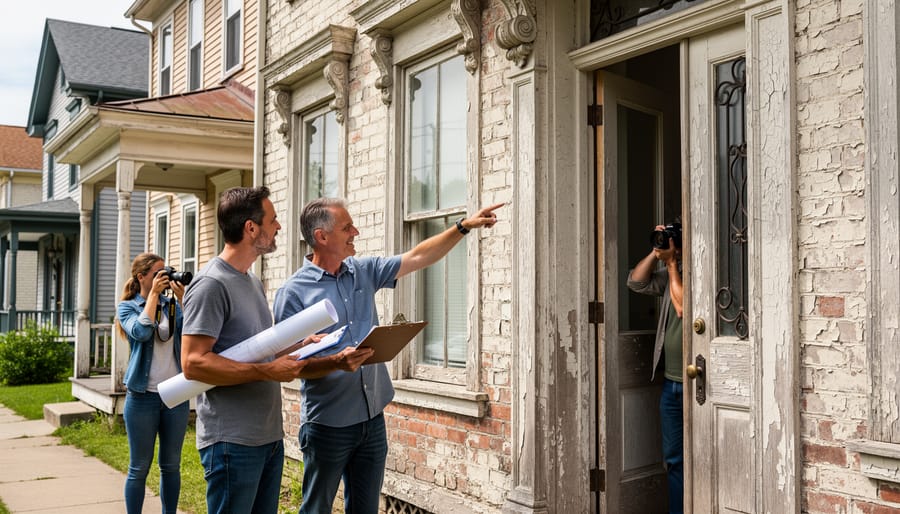
Marketing to History-Conscious Canadians
Finding buyers who appreciate your heritage home’s significance requires strategic outreach beyond conventional real estate marketing. History-conscious Canadians actively engage with preservation communities, creating targeted opportunities to showcase your property’s unique story.
Connect directly with provincial and local heritage organizations such as Heritage Canada Foundation, Architectural Conservancy Ontario, or the Heritage Society of British Columbia. Many maintain member newsletters, websites, and social media channels where heritage property listings reach committed preservationists. These organizations often know collectors, restoration enthusiasts, and families specifically seeking historically significant homes.
Partner with local museums and historical societies in your region. Museums focused on architectural heritage or period-specific collections frequently connect with individuals passionate about authentic restoration projects. Properties near historical communities benefit from additional promotion through tourism boards highlighting heritage districts.
Engage specialized real estate agents experienced in heritage properties. These professionals understand designation implications, maintain networks within preservation circles, and market properties through heritage-specific channels rather than generic listings alone.
Consider hosting heritage open houses in collaboration with local historical groups during heritage awareness events or Doors Open programs. These gatherings attract qualified buyers while demonstrating your commitment to preservation values, positioning the sale as a stewardship transition rather than a simple transaction. Document your home’s history through compelling narratives, archival photographs, and architectural details that resonate with heritage-minded purchasers seeking authentic connections to Canada’s past.
Partnering with Heritage Organizations and Institutions
How Museums and Archives Can Help
Canadian museums, archives, and heritage organizations can become invaluable allies when selling your heritage home as-is. These institutions possess extensive networks connecting preservation-minded buyers with historically significant properties, potentially streamlining your sale while ensuring your home’s story continues.
The Archives of Manitoba, for instance, maintains comprehensive records of heritage properties across the province and can provide documentation that enhances your listing’s appeal. Similar institutions exist nationwide, from the City of Vancouver Archives in British Columbia to Heritage Toronto in Ontario and the Nova Scotia Museum. These organizations often maintain registries of heritage properties and can verify historical details that add authenticity to your sale.
Beyond documentation, many institutions offer advocacy support. They understand the challenges of maintaining heritage properties and can connect you with buyers specifically seeking historic homes. Some archives maintain informal networks of preservation enthusiasts who prefer purchasing heritage homes as-is, viewing restoration as a personal mission rather than a deterrent.
Provincial heritage councils frequently collaborate with real estate professionals familiar with cultural heritage transactions. They can provide letters of historical significance, architectural assessments, and even facilitate connections with heritage consultants who assist buyers in accessing restoration grants post-purchase.
Contact your regional archive or museum early in the selling process. Their expertise transforms what might seem like a challenging sale into an opportunity to match your heritage home with passionate stewards committed to preservation.
Grant Programs and Tax Incentives for New Owners
Prospective buyers of heritage homes often hesitate when considering properties requiring restoration, but Canada’s commitment to cultural preservation has inspired robust financial support systems that make as-is purchases surprisingly feasible. Federal programs like the Historic Places Initiative have partnered with provincial governments and organizations such as the National Trust for Canada to create targeted funding opportunities. These grants can cover significant portions of restoration costs, with some provincial programs offering up to 50% reimbursement for eligible conservation work.
Tax incentive programs further sweeten the proposition. Several provinces provide property tax reductions or deferrals for designated heritage properties, while federal income tax deductions apply to certified rehabilitation projects. British Columbia’s Heritage Property Tax Exemption Program and Ontario’s Heritage Property Tax Relief exemplify regional commitments to preservation through financial means. Municipal governments across Canada frequently maintain dedicated heritage grant programs, from Halifax to Vancouver, ensuring coast-to-coast support. When marketing your heritage home as-is, highlighting these available resources to potential buyers transforms perceived burden into investment opportunity, attracting preservation-minded purchasers who recognize both cultural significance and fiscal advantage in their acquisition.
Preparing Your Heritage Home for an As-Is Sale

Documenting Your Home’s Historical Significance
Thorough documentation transforms your heritage home’s story into compelling value for preservation-minded buyers. Begin by visiting your local archives, libraries, and historical societies across Canada—from the Archives of Ontario to the Glenbow Museum in Calgary—where land registry records, building permits, and historical maps reveal your property’s evolution through time.
Provincial heritage designation documents provide crucial architectural details. Request copies from your municipal heritage planning department, which outline significant features like original trim work, foundation materials, or unique construction techniques. Photograph these elements systematically, capturing both overall views and close-up details that showcase craftsmanship.
Compile cultural context by researching previous owners through census records and city directories. Consider partnering with institutions like Library and Archives Canada, which often house personal papers and photographs that illuminate how families lived in homes like yours. Local historical societies may connect you with researchers passionate about your neighbourhood’s development.
Interview long-time residents who remember your home’s earlier incarnations. Their recollections about historical artifacts, garden layouts, or community gatherings add irreplaceable human dimensions to architectural facts.
Create a heritage portfolio combining archival documents, professional photographs, architectural drawings, and written narratives. This assembled history demonstrates your home’s significance while helping preservation-minded buyers envision their stewardship role. Many purchasers of heritage properties aren’t just buying real estate—they’re acquiring a chapter of Canada’s collective memory, and your documentation makes that story tangible, accessible, and worth preserving.
Honest Condition Assessment Without Costly Repairs
Selling your heritage home as-is doesn’t mean concealing its condition—quite the opposite. Canadian law requires honest disclosure of known defects, regardless of your selling approach. The key lies in obtaining thorough documentation without undertaking expensive remediation.
Engage inspectors and appraisers familiar with heritage properties. These specialists understand the difference between historic features and genuine concerns. A 1920s plaster wall showing age-appropriate crackling differs vastly from structural instability requiring intervention. Heritage-aware professionals can distinguish character from compromise, providing buyers with accurate assessments that honour the building’s story.
Consider partnering with provincial heritage organizations when documenting your property’s condition. Heritage BC, Heritage Winnipeg, and similar institutions across Canada often maintain lists of recommended conservation professionals. These experts produce reports that satisfy legal disclosure requirements while contextualizing findings within heritage preservation standards.
This documentation serves dual purposes: it protects you legally while educating potential buyers about what they’re acquiring. Transparent condition reports actually strengthen as-is sales by eliminating surprises and attracting buyers who appreciate authenticity. When purchasers understand they’re acquiring a 1890s Maritime farmhouse with original timber framing—including expected settling and weathering—they make informed decisions aligned with preservation values rather than conventional real estate expectations.
Your Role in Canada’s Living History
When you choose to sell your heritage home as-is in Canada, you’re not stepping away from history—you’re actively participating in its continuation. This decision represents a thoughtful transfer of stewardship, placing your property into the hands of someone prepared to shoulder the unique responsibilities that come with preserving Canada’s architectural legacy.
Consider the countless heritage homeowners across the country who have made this same choice. In doing so, they’ve connected passionate restoration specialists with properties that might otherwise have languished. An as-is sale attracts buyers who see beyond peeling paint and outdated systems to recognize the craftsmanship of confederation-era carpentry or the artistry of Victorian-period tilework. These new stewards often possess the specialized knowledge, financial resources, and dedication that extensive heritage restoration demands.
Your role extends beyond a simple real estate transaction. By accurately documenting your home’s history, collaborating with local heritage societies, and transparently communicating its condition, you’re creating a bridge between past and future. Many heritage organizations across Canada, from Heritage Vancouver to Fondation Héritage Montréal, celebrate homeowners who facilitate preservation through thoughtful transitions rather than forcing ill-suited renovations.
The as-is approach also honors the principle of authentic preservation. Rather than making hasty, potentially inappropriate modifications to meet conventional market expectations, you’re allowing the next caretaker to make informed decisions that respect the property’s historical integrity. This philosophy aligns with Parks Canada’s conservation standards, which emphasize the importance of understanding a site’s evolution before intervening.
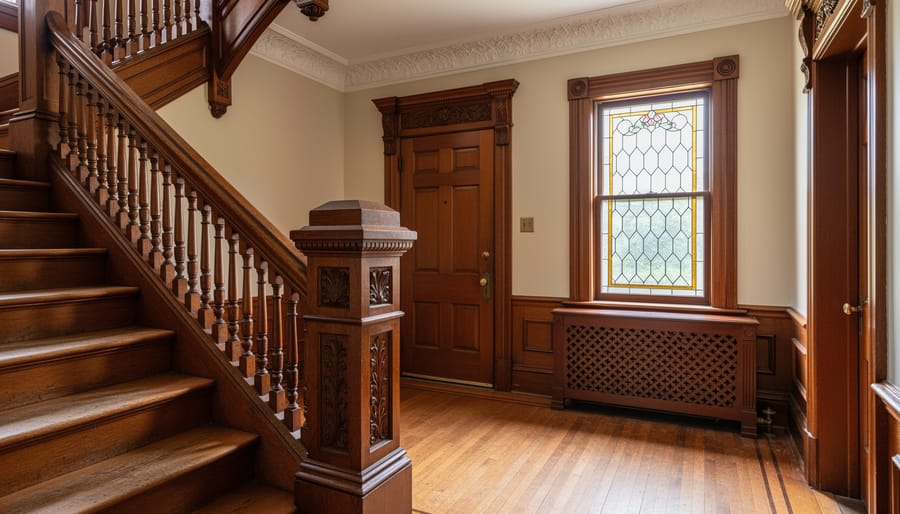
Your decision today ensures that tomorrow’s Canadians can still walk through doorways that witnessed confederation debates, warm themselves by fireplaces that heated pioneer families, or admire stained glass that captured light for generations. That’s not abandonment—that’s legacy.
Selling your heritage home as-is represents more than a real estate transaction—it’s a meaningful chapter in Canada’s living history. Whether your property stands in the storied streets of Old Québec, the Victorian neighborhoods of Victoria, or the prairie homesteads of Saskatchewan, your decision contributes to the ongoing narrative of our nation’s built heritage. By choosing an as-is sale, you’re not abandoning responsibility; rather, you’re creating opportunity for new stewards who can embrace the challenge of preservation with fresh vision and resources.
The practical considerations we’ve explored—municipal regulations, disclosure requirements, market positioning—exist precisely because Canadians value our architectural inheritance. These frameworks ensure that even straightforward sales respect the cultural significance embedded in heritage properties. Your home carries stories of families, communities, and historical moments that shaped Canada from Confederation to the present day.
As you navigate this process, engage with your local heritage committee, connect with provincial historical societies, and share your property’s story with prospective buyers who appreciate its significance. Consider documenting your home’s history through provincial archives or partnering with museums to preserve photographs and records. The Canadian Register of Historic Places and municipal heritage databases offer resources to support your journey.
Your heritage home sale becomes part of an unbroken chain linking past, present, and future—ensuring that these tangible connections to Canadian history continue enriching our communities for generations to come.